Important Tips for Finding a Dependable Auto Repair Shop
Finding a dependable vehicle repair facility is vital for maintaining your vehicle and ensuring safety. Multiple considerations shape this important decision, from technician certifications to customer testimonials. Understanding warranty terms can prevent future complications. Clear dialogue with your technician also is instrumental in ensuring quality service. Each aspect carries weight in the overall experience. How should one approach this significant selection process? The following insights will clarify the path to finding a trustworthy repair shop.
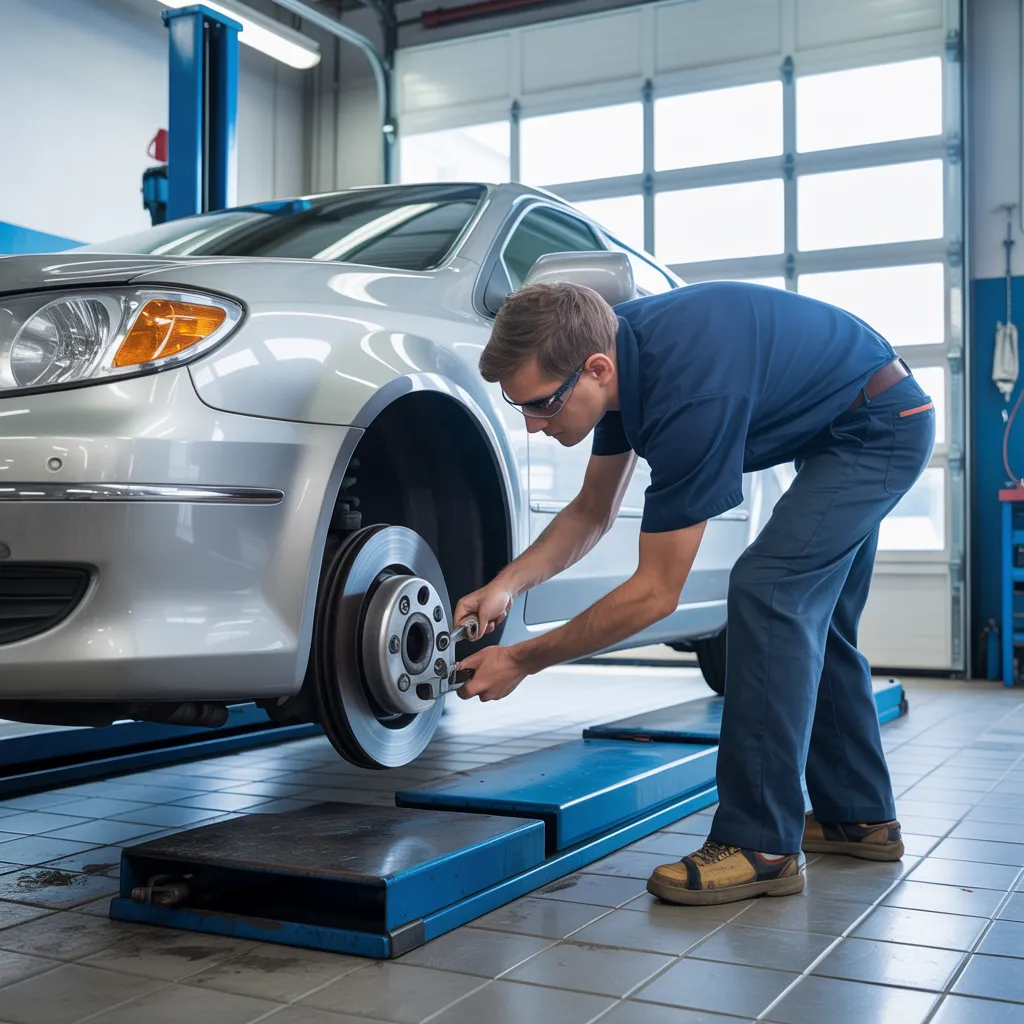
Why Choosing the Right Auto Repair Shop Matters
Choosing the best auto repair shop is critical, as it can significantly impact both vehicle performance and owner peace of mind. A reliable shop guarantees that repairs are carried out correctly, improving the longevity and efficiency of the vehicle. Owners who select a reputable establishment often experience fewer breakdowns and lower repair costs over time, as superior work minimizes the need for repeat visits.
Additionally, a reputable auto repair shop builds a sense of assurance among vehicle owners. Car owners are better positioned to feel at ease in their choice, knowing that experienced technicians are managing their cars. This certainty can lead to improved maintenance practices, ultimately resulting in increased vehicle safety. Moreover, establishing a relationship with a reputable shop can simplify the repair process, providing direct access to professional guidance and timely service. In conclusion, making an educated choice in auto repair can considerably affect both the vehicle's overall operation and the car owner's total contentment.
Look for Certifications and Qualifications
When seeking an auto repair shop, it is crucial to examine the certifications and qualifications of the technicians. Certified technicians frequently have specialized knowledge and have showcased their competence through testing. Common certifications include those from the National Institute for Automotive Service Excellence (ASE), which indicates a high standard of knowledge and skills. Furthermore, affiliations with recognized organizations, such as the Automotive Service Association (ASA), can help establish a shop's adherence to professional standards.
A properly certified technician is better positioned to diagnose issues accurately and perform necessary repairs efficiently, which ultimately results in improved service quality and greater customer satisfaction. Confirming OEM certifications can also confirm that technicians are trained on current technologies and modern repair methods for specific vehicle brands. By prioritizing certifications and qualifications, vehicle owners can improve their prospects for receiving reliable and effective auto repair services.
Explore Customer Reviews for Your Auto Repair Shop
How do customer reviews shape the decision when choosing an auto repair shop? Customer reviews act as helpful indicators of past clients' experiences, giving potential customers a preview of the quality of work delivered. Future clients can evaluate factors like reliability, professionalism, and pricing by reading these testimonials. Positive reviews often indicate a trustworthy establishment, whereas critical feedback may reveal possible concerns.
In addition, feedback can uncover patterns in service, such as consistent wait times or the effectiveness of repairs. Online platforms and social media amplify these voices, making it easier to gather diverse opinions. When assessing a vehicle repair facility, individuals should consider the total rating in addition to detailed feedback relating to service performance and customer experience. This information can guide them toward a shop that meets their needs and expectations, thus delivering a more gratifying auto service experience.
An Overview of Warranty and Guarantee Policies
Recognizing warranty and guarantee policies is important when choosing an auto repair shop. These terms describe what repairs are protected and the terms under which they function. Knowing the particulars can help vehicle owners make educated choices and provide peace of mind about their vehicle repairs.
Warranty Coverage Specifics
Managing warranty coverage information can significantly affect the general satisfaction with an auto repair shop. A solid understanding of what is protected under warranty can eliminate misunderstandings and frustrations. Auto repair shops often provide warranties on labor and parts, but the details can vary significantly. Customers should ask about the duration of the warranty, the categories of repairs or parts covered, and any exceptions that might apply. Moreover, it is essential to understand whether the warranty is honored nationwide or confined to the individual shop. Thoroughly reviewing these details before proceeding with services ensures that customers are safeguarded read the facts against possible defects or problems. This well-informed approach builds trust and improves the general repair experience.
Guarantee Conditions Outlined
What do customers need to understand about guarantee terms when choosing an auto repair shop? It is essential to understand the difference between warranties and guarantees. A warranty usually encompasses particular repairs or parts for a defined duration, guaranteeing that should problems occur, the shop will resolve them without additional charges. By comparison, a guarantee frequently represents the shop's pledge to superior craftsmanship, assuring customer satisfaction or a refund if the service falls short of established standards. Clients should ask about the timeframe, coverage details, and restrictions of these policies. Additionally, they should read the fine print to avoid misunderstandings. Through understanding these terms, customers are equipped to make well-informed choices and select a repair shop that supports its services.
How to Talk Effectively With Your Mechanic
How can one guarantee that interactions with a mechanic remain clear and productive? The first step is to provide a detailed description of the vehicle's symptoms. Instead of vague statements, it is important to highlight specific concerns, like strange sounds or illuminated dashboard indicators. This helps the mechanic pinpoint the problem more effectively.
Additionally, asking questions is important. Inquiring about the repair process, necessary parts, and expected timelines fosters a clearer understanding. Active listening serves an equally important purpose; one must listen closely to the mechanic's explanations and request clarification whenever something remains unclear.
Furthermore, it is advantageous to develop a connection with the auto professional. Building trust can produce enhanced service and greater personalized attention for the automobile. In conclusion, maintaining written records of previous repairs and services can improve communication by giving context for continuing issues. Effective communication ultimately leads to a more successful maintenance experience.
Review Quotes and Costs
A comprehensive evaluation of pricing and estimates can uncover notable differences between vehicle service centers. When pursuing auto repairs, consumers should collect quotes from different repair facilities to assess the prevailing price for necessary work. This approach not only sheds light on expected expenses but also highlights differing standards of care.
It is important to evaluate what each estimate encompasses. Some establishments might advertise reduced prices but cut corners on parts quality or service warranties, while some may charge a premium for better service and higher-quality parts. Moreover, knowing the breakdown of expenses—parts, labor, and any possible additional charges—enables buyers to arrive at a more informed conclusion.
In addition to cost, reputation and customer service should also be considered. A store charging marginally higher prices may deliver better reliability and a more credible experience. At the end of the day, finding the right balance between cost, quality, and service reputation leads to a more satisfying auto repair experience.
Frequently Asked Questions
How Can I Tell if a Shop Is Trustworthy?
A reputable establishment often displays certifications, provides clear pricing, and has favorable customer testimonials. Furthermore, a welcoming atmosphere with skilled staff can suggest reliability, while clear correspondence and service assurances further improve trustworthiness in their offerings.
What Can I Do if I'm Not Satisfied With Repairs?
When unhappy with the quality of repairs, the customer should first communicate concerns directly to the shop. If no resolution is reached, obtaining a second opinion or reaching out to consumer protection agencies may be necessary to address the issue effectively.
Are There Particular Warning Signs to Look Out For?
Red flags to watch for include absence of proper certifications, vague estimates, incomplete repairs, negative client feedback, a lack of professionalism, and reluctance to provide detailed explanations. These indicators often signify potential issues with the repair shop's reliability.
How Regularly Should I Get My Car Serviced?
Vehicles should typically be maintained every 5,000 to 7,500 miles or or every 6 months, whatever milestone is reached first. Consistent upkeep is essential for optimal performance, vehicle safety, and extended vehicle life, preventing costly repairs and elevating your day-to-day driving experience.
Am I Able to Request Old Parts Following Repairs?
Certainly, clients can inquire about seeing replaced components after repairs. Most established auto repair facilities are happy to fulfill such requests, as openness fosters confidence. Understanding the condition of replaced components can offer peace of mind about the quality of the service performed.
Comments on “How Auto Repair Helps Keep Your Car Running Smoothly”